




HEAVY METAL TESTING
Specializing in comprehensive nutritional analysis for human food, pet food and supplements.


HEAVY METAL PANEL OPTIONS
Big 5

- Arsenic
- Cadmium
- Lead
- Mercury
- Chromium
Price: $300
Turnaround Time:
10 business days
Sample Size: 30
grams
Single Heavy Metal
Tests

- Arsenic
- Cadmium
- Lead
- Mercury
- Chromium
Price: $50-100 (dependent on test)
Turnaround Time:
10 business days
Sample Size: 5 grams
Prop 65
Calculation

- Calculation of lab results to reflect heavy metal presence per serving per Prop 65 standards
Price: $105 (dependent on test)
Turnaround Time: Equal to test
Sample Size: Dependent on test
PROCESS FOR SENDING SAMPLES
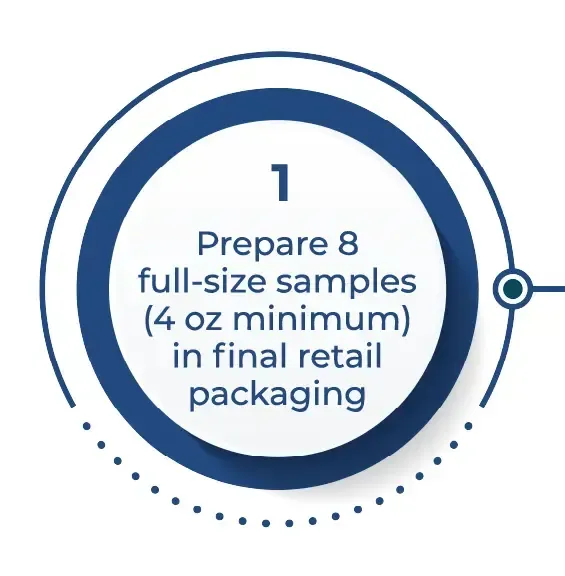
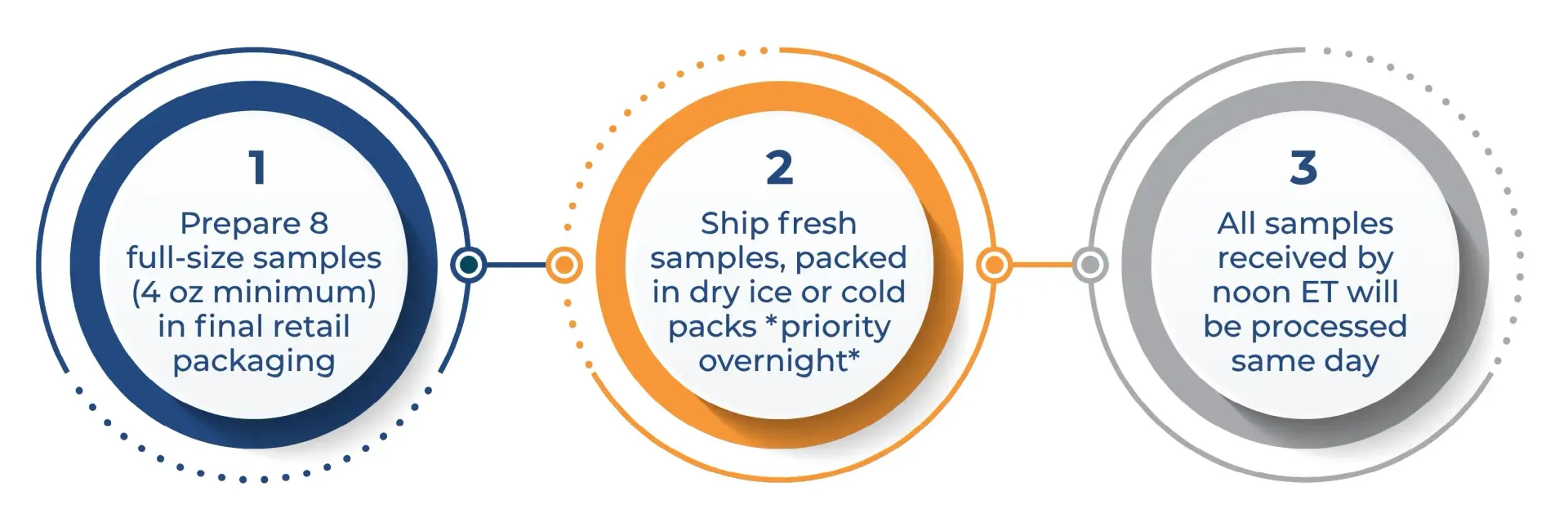
HEAVY METALS
Heavy metals are naturally occurring elements found in soil, water, and air. Lead, arsenic, and cadmium are absorbed through soil, fertilizers, and irrigation water, and mercury accumulates in aquatic environments, where it can be absorbed by fish and aquatic life. Heavy metals in food can also leach through from machinery and storage containers involved in processing.
WHY IS HEAVY METAL TESTING IMPORTANT?
Exposure to heavy metals has been shown to have negative health impacts including developmental delays, carcinogenic effects, and even neurotoxic effects. This makes heavy metal testing essential for protecting the health and safety of consumers and ensuring compliance with laws and regulations. Depending on the element, both single exposure and regular exposure can have harmful effects.
WHAT ARE THE REGULATORY REQUIREMENTS FOR HEAVY METAL TESTING?
While the FDA does not require universal heavy metal testing for all foods, there are certain FDA heavy metal action levels, and the FDA closely monitors heavy metal content in products. Lead, Arsenic, and Mercury all have action levels, which means that if the product contains above the allowable limit it can be recalled. Manufacturers are held legally responsible for ensuring their products are safe and not adulterated under the Federal Food, Drug, and Cosmetic Act (FD & C Act).
FDA ACTION LEVELS/GUIDANCE
Lead
- Baby foods (purees, cereals, snacks): 10–20 ppb
- Juices (apple, grape, mixed fruit): 10–20 ppb
Arsenic
- Inorganic arsenic in infant rice cereal: 100 ppb (final guidance, 2020)
- Apple juice: 10 ppb (aligned with EPA water standard)
Cadmium
- No formal limit; FDA surveillance under Closer to Zero
Mercury
- Methylmercury in fish: 1 ppm tolerance (21 CFR 109.30)
CALIFORNIA PROP 65
Prop 65, the Safe Drinking Water and Toxic Enforcement Act of 1986 is a law that requires manufacturers selling in California to warn consumers if their products expose them to certain chemicals, including heavy metals, through clear labeling. The levels of lead, mercury, cadmium, arsenic, and other heavy metals that require warning under Prop 65 are considerably lower than the FDA’S action levels, so it is critical that businesses have products tested and labeled to meet these guidelines, as noncompliance can result in lawsuits and fines.
WHAT ARE HIGH-RISK FOODS FOR HEAVY METAL CONTAMINATION?
- Infant food and formula
- Fish and seafood
- Rice
- Fruit juice
- Root vegetables
- Leafy vegetables
- Dark Chocolate
- Supplements
- Protein Powder
BABY FOOD
With recent research indicating infants and children are highly susceptible to the negative effects of heavy metal contamination the FDA has begun to introduce new legislation and guidelines. The Closer to Zero Initiative is a part of these guidelines and includes industry best practices, increased enforcement efforts to monitor compliance among manufacturers, and ongoing research into the acceptable levels of heavy metals and their effects on infants and children. You can read more about this initiative here. Two contaminants that have frequently been found above the regulatory limits are inorganic arsenic and lead, both of which RL Labs tests for.